On this page

Our commitment to children and young people

At Vision Australia, the safety, wellbeing, rights and participation of children and young people are central to everything we do. We are committed to creating services where children and young people feel safe, respected, listened to and supported to take part in decisions that affect them.

We have zero tolerance for child abuse, harm, racism and discrimination. We work with children, young people, families, carers and communities to build safe, inclusive and accessible services for children who are blind or have low vision.

Read our child safety policy and guiding procedure

This document outlines our commitment to child safety.

If a child is in immediate danger, call 000.


What you can expect from us

  • We will explain our services, roles and expectations clearly.
  • We will listen to children and young people and take their views seriously.
  • We will involve children, young people, parents, carers and families in decisions about goals, supports and safety planning.
  • We will ask what helps each child feel safe, included and able to participate.
  • We will make reasonable adjustments to support communication, access, cultural safety and participation.
  • We will protect privacy while meeting our responsibility to share information when needed to keep a child safe.
  • We will respond promptly if something does not feel safe or if a child safety concern is raised.

How we help keep children safe

Child safety is everyone’s responsibility at Vision Australia. Our approach includes child-safe recruitment, staff screening, ongoing training, professional supervision, clear behaviour expectations, risk management, accessible information, incident reporting, complaints processes and continuous improvement.

Our staff and volunteers are trained and expected to behave safely and respectfully with children and young people. This includes following professional boundaries, supporting children to speak up, responding to concerns, and working in partnership with parents, carers and families.

We also assess risks in the places and ways our services are delivered, including Vision Australia sites, homes, schools, community settings, events, group programs, telehealth and online environments.

Find out more about cyberbullying and online safety

This website provides useful information to help children and young people stay safe online.


Children and young people have a voice

Children and young people have the right to be heard, to be treated fairly and respectfully, and to take part in decisions that affect them. We provide accessible ways for children and young people to ask questions, share ideas, tell us what is working, give feedback or raise a concern.

When children and young people speak up, we will listen carefully, take them seriously and explain what will happen next in a way they can understand.

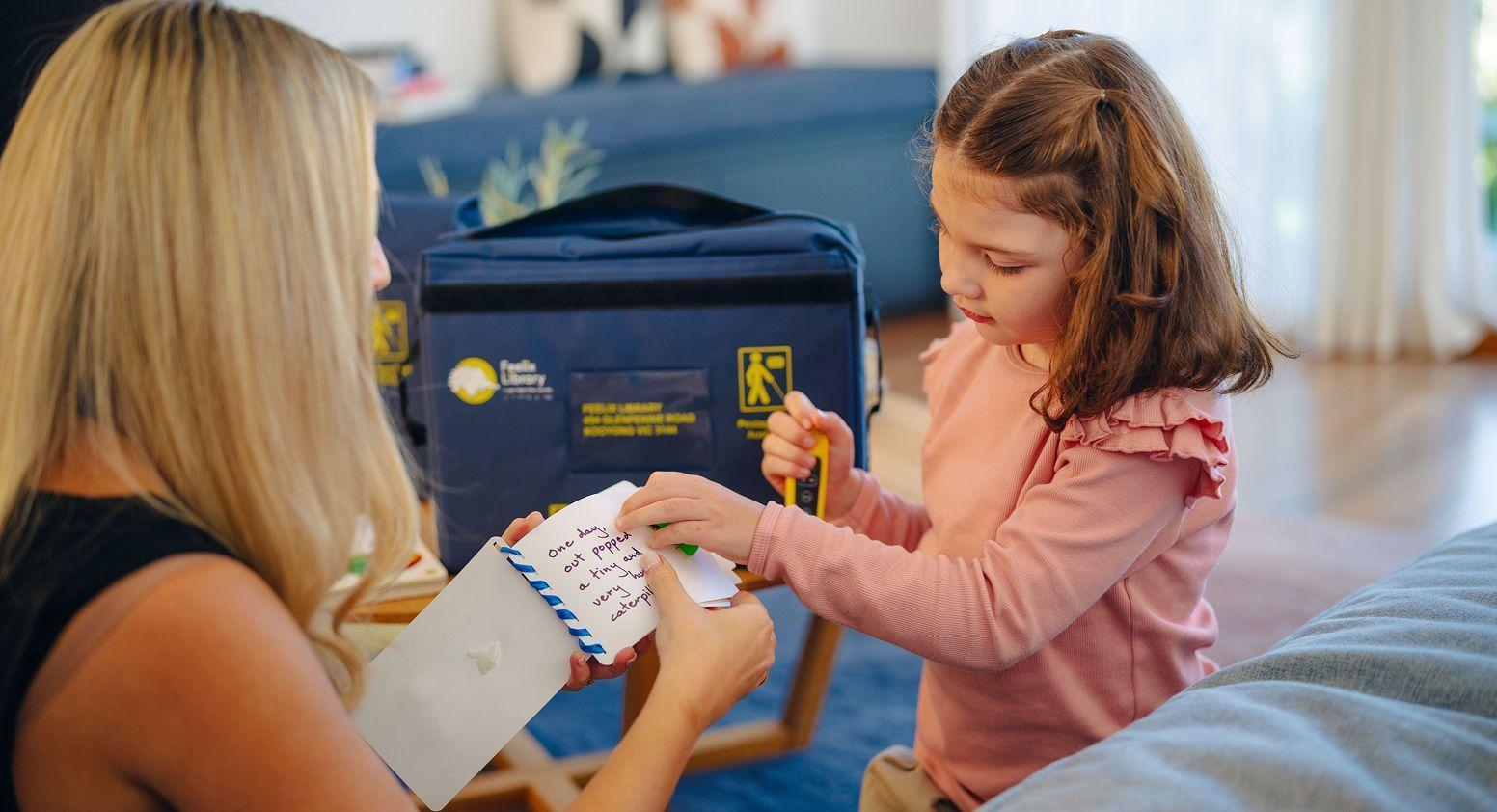
A child is feeling a book, which is being held by an adult

Working with families, carers and external stakeholders

Families, carers and communities play an important role in child safety and wellbeing. We aim to communicate openly, provide accessible information, involve families in decisions about their child, and invite feedback about how our services can be safer, more inclusive and more useful.

We also work with external stakeholders, including referrers, schools, partner organisations, community organisations, funders and regulators, to support safe and coordinated services for children and young people.


Cultural safety and inclusion

Vision Australia recognises Aboriginal and Torres Strait Islander peoples as the First Peoples of Australia. We are committed to culturally safe services where Aboriginal and Torres Strait Islander children, young people and families are respected, heard and supported, and where racism is not tolerated.

Read our Reconciliation Action Plan (RAP)

We respect each child’s identity, culture, communication needs, access needs and individual circumstances. We make reasonable adjustments so children and young people who are blind or have low vision can participate safely and confidently.


Feedback, complaints and concerns

You can tell us if something is working well, if something could be better, or if you are worried about safety. You can speak with your Vision Australia service provider, contact your local Vision Australia office, or use our feedback and complaints process. Feedback can be made anonymously, or we can work with you to ensure you are heard and your issue resolved.

We will listen, take your concern seriously, explain what will happen next, and act promptly to help keep children and young people safe. If your concern relates to immediate danger, call 000.


Give feedback

If you have a complaint, compliment or suggestion for improvement, you can submit this via our feedback form.


Helpful links and resources

Other services and supports  

Vision Australia is not a crisis service. If there is immediate danger, call 000. For other urgent support, choose your state or territory to find the relevant child protection service, or use the national support services listed below. You can also speak with your GP, a local health service or a Vision Australia service provider. Clearly state where anonymous enquiries are available. If you require support, please contact any of the following: 
State or territory child protection agency

Contact the agency if you are worried that a child or young person may be at risk of abuse, neglect or harm, or if you need advice about making a report. Ask the agency whether you can remain anonymous.

Find your state or territory child protection agency.

1800RESPECT

Domestic/family/sexual violence  

Phone: 1800 737 732

Kids Helpline

Primary support for children and young people (5–25), including bullying, distress, and peer issues.

Phone: 1800 55 1800

Police

Immediate danger, crisis, or emergency.

Phone: 000

Lifeline

Mental health crisis.

Phone: 13 11 14

Full Stop

Sexual violence specialist.

Phone: 1800 385 578

13YARN

Support for Aboriginal people.

Phone: 13 92 76

National Office for Child Safety information

Contact details to report child safety concerns.

Make a report.

GP

Mental health, health and wellbeing support.

Contact your local GP or medical clinic.

Primary care clinics

General health, mental health and wellbeing support when you need accessible local care .

Contact a local primary care or community health clinic.